
Snapshot
-
- Family office structuring and fund formation
- Private placements and private placement memorandums
- Securities compliance (SEC, FINRA)
- M&A, restructurings, and reorganizations
- Borrower-side credit agreements and debt restructuring
- Stock option, stock purchase, and phantom stock agreements
- Operating agreements and assignments of membership interests
- Employment, independent contractor, and separation agreements
- Cross-border entity and SPE structuring
- Commercial real estate and deeds of trust
- Estate planning for business owners
-
- Family Offices
- Private Fund Managers
- Middle and Lower-Middle-Market Companies
- Energy (Oil & Gas)
- Manufacturing and Distribution
- Commercial Real Estate
- Foreign Investors Acquiring U.S. Assets
-
- Former corporate finance banker; speaks lenders’ language
- Two decades of public company transaction experience
- Partner-led from first call through closing
- 14 years living and working in Latin America
- Bilingual counsel in English and Spanish
- Corporate and estate planning under one roof
- Volunteers regularly through Texas Bar pro bono clinic
-
- Texas and nationwide
- Canada
- Latin America
- Europe
- Asia
Details
-
- Case Western Reserve University School of Law, JD
- Law & Leadership Scholar
- University of Texas at Austin, BA in English Literature
- Case Western Reserve University School of Law, JD
-
-
Board Member, University of Texas Alumni Association
Event Chair, Longhorn Legacy Scholarship Gala, 2024 and 2025
Former Board Member, Ronald McDonald House
Former Board Member, American Heart Association
Member, St. John the Divine Episcopal Church; Houston, Texas
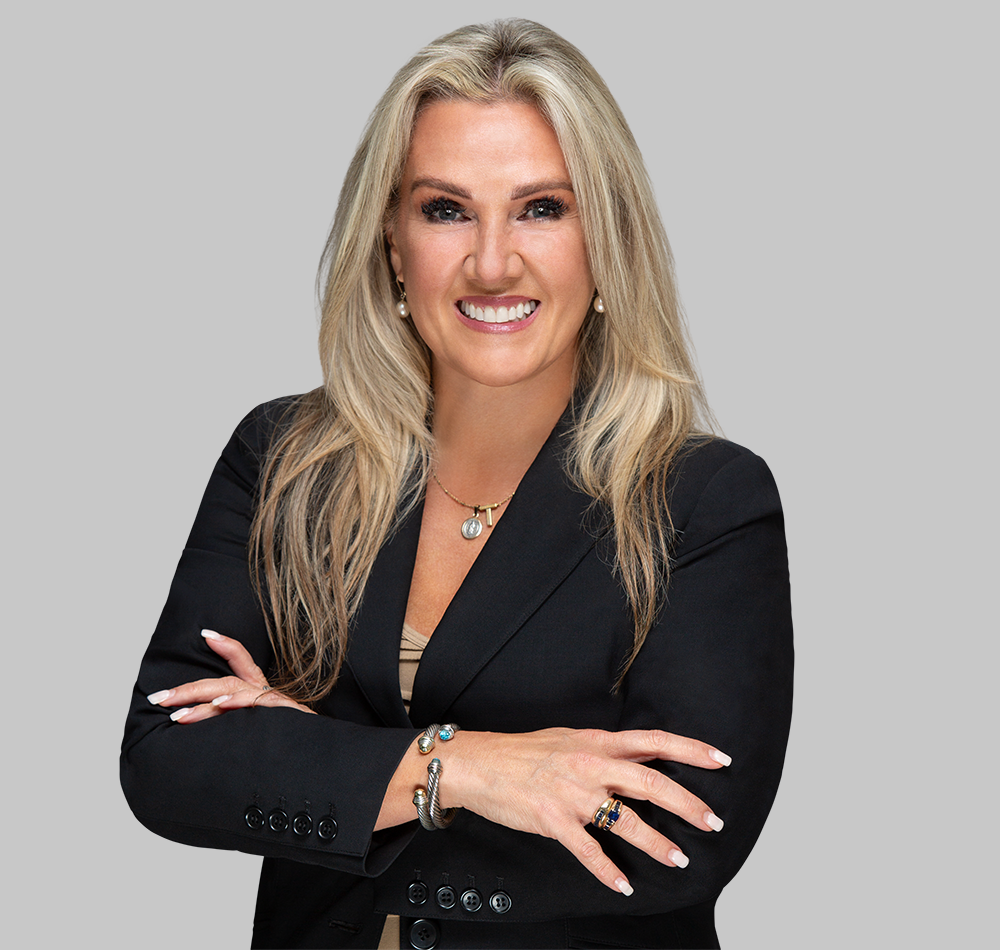
Tawnya M. Bell
Partner
Tawnya M. Bell gives family offices, private fund managers, and middle-market business owners the rigor usually reserved for public company boardrooms, applied to businesses where every decision lands on the owner’s own balance sheet. She’s a former corporate finance banker with two decades of public company transactions behind her. She builds entities, capital raises, and deals that hold up under pressure, and she’s the one clients call at 7 a.m. when something breaks. Clients describe her as attentive, protective, and accessible, with a habit of working through every possible scenario before it turns into risk.
Rapid response when the unexpected threatens the business
Plenty of Tawnya’s work runs straight down the fairway: holding companies, subsidiaries, and special purpose entities for assets being acquired or divested. Where clients rely on her most is the outlier, the issue nobody else around the client knows how to handle. That could be original corporate and regulatory records lost in a natural disaster, a key employee walking out without notice, partner embezzlement headed toward a business divorce, or an owner’s death under operating agreements that never planned for it. She moves fast to protect the company’s credibility, reputation, and balance sheet, then drafts the buy-sell and succession provisions that keep it from happening twice.
Public company discipline applied to privately held businesses
Tawnya spent most of her career with publicly traded companies and global institutions, including Wells Fargo, the Royal Bank of Scotland, and PricewaterhouseCoopers, working across capital markets, banking and finance, financial regulation, and corporate governance. She has sat across the table from AmLaw 100 firms on restructurings, reorganizations, and M&A. At those firms, most of the work typically lands with associates who have never worked inside a public company. Her middle and lower-middle-market clients get that same depth from the partner actually running their deal. As borrower’s counsel, she restructures debt and negotiates credit facilities with lenders who appreciate dealing with someone fluent in their language.
Securities compliance that protects capital raises and investor trust
Securities law leaves little margin: a missed SEC filing or FINRA misstep can open the door to multiple causes of action. Tawnya structures true private placements for fund managers raising capital outside institutional channels. She drafts the private placement memorandums and builds the compliance record that keeps them out of that territory. A raise can be 100% compliant and still produce a disgruntled investor, so when that call comes she walks the client through how the law applies to their business model, what’s already been done, and every what-if. Most investor concerns trace back to transparency on asset performance, and closing that gap is usually what keeps a complaint from becoming a claim.
Entity structures built for growth, governance, and cross-border investment
Forming an entity is a commodity; forming the right one isn’t. Tawnya advises on jurisdiction, cap table design, distribution waterfalls, and compensation, knowing that structure dictates the tax outcome for every interest owner. She works alongside clients’ tax advisors rather than in place of them. For foreign investors acquiring U.S. assets, she sets up the domestic entities and acquisition SPEs, plus the employment, consulting, and governance documents to run them, informed by 14 years living and working in Latin America. Business owners who trust her with the company tend to keep their estate plans with her too, so everything lives in one place.
A lifelong commitment to community leadership and service
A Texas native and the daughter of cattle ranchers in Washington County, Tawnya has always felt a pull toward advocating for the most vulnerable parts of society. She serves on the board of the University of Texas Alumni Association and chaired the 2024 and 2025 Longhorn Legacy Scholarship Gala, raising critical scholarship funds for local students. She’s a former board member of the Ronald McDonald House and the American Heart Association, volunteers regularly through the Texas Bar’s pro bono clinic, and is a member of St. John the Divine Episcopal Church in Houston. She believes giving time, resources, and knowledge without expecting anything in return comes back in ways that are hard to quantify, and it makes her a more open-minded, creative, and strategic attorney for her clients.
“I love bringing my public company knowledge and experience to privately held companies. That is the biggest joy in what I do. Setting up an entity, that’s a commodity. You could have your CPA do that for you. But having it done properly, with guidance on which jurisdiction really makes the most sense for your specific business objectives, how the tax treatment is going to take place, what the employment laws are, those are impactful business decisions you’re not going to get by doing an AI search.”